Who We Are
Building diverse leaders from age 7 to employment since 2014
Why We Exist
As Artificial Intelligence and offshoring continue to replace the entry-level roles and tasks most commonly held by women, ethnically diverse individuals and those from low socioeconomic backgrounds in the UK, Diverse Leaders Network ensures that young people from communities underrepresented at the top develop the career awareness, leadership abilities and professional networks needed to access and succeed in the industries and positions that provide the most job security.
Our work lies in prevention and remediation. By working with children as young as 7, our progressive all-age leadership and pre-employment curriculum and immersive work experiences build leadership habits and professional behaviours ready for the modern workplace. At the same time, we work with young people aged 16 to 24 with high-potential to address the current skills shortage by creating a direct and supported pathway from education into employment.
Why Starting Early Matters
Career stereotypes and aspirations begin to form in children as young as 7. By the time young people reach secondary school, many have already ruled out entire sectors and professions based on who they see in them, not what they are capable of. Early intervention is not optional; it is essential.
Why Leadership Matters
43% of all new jobs created by 2030 will be in managerial and professional roles. At the same time, AI and automation are replacing entry-level tasks, but not leadership. The young people who will thrive are those who can communicate, problem-solve, lead and adapt. We build those skills from age 7.
Why Representation Matters
Less than 1% of young people have heard about jobs through people from the world of work. Children's career aspirations are shaped most powerfully by who they know. Without access to diverse role models and professional networks, talented young people from underrepresented backgrounds remain invisible to the opportunities that could change their lives.
Why Skills over Jobs Matter
65% of children entering primary school today will ultimately work in jobs that do not yet exist. The future of work demands adaptability, creativity and leadership, not just qualifications. Our curriculum builds the transferable skills young people need to thrive in careers that have not been invented yet.
Our Community
Our programmes are designed for young people who face the greatest structural barriers to social mobility.
The majority of our participants are young women and girls, addressing the persistent gender gap in leadership and STEAM careers.
Over four in five participants are from global majority backgrounds, groups that remain significantly underrepresented in professional and leadership roles.
Nearly three quarters of our young people qualify for free school meals, a key indicator of low socioeconomic status and one of the strongest predictors of limited career progression.
Three Principles That Guide Everything We Do
Starting Early
To create lasting change, intervention must start early and be sustained.
Leadership
Leadership can be understood, learned and practised by all.
Representation
You can't be, what you can't see.
Built by a Teacher Who Refused to Accept the Status Quo
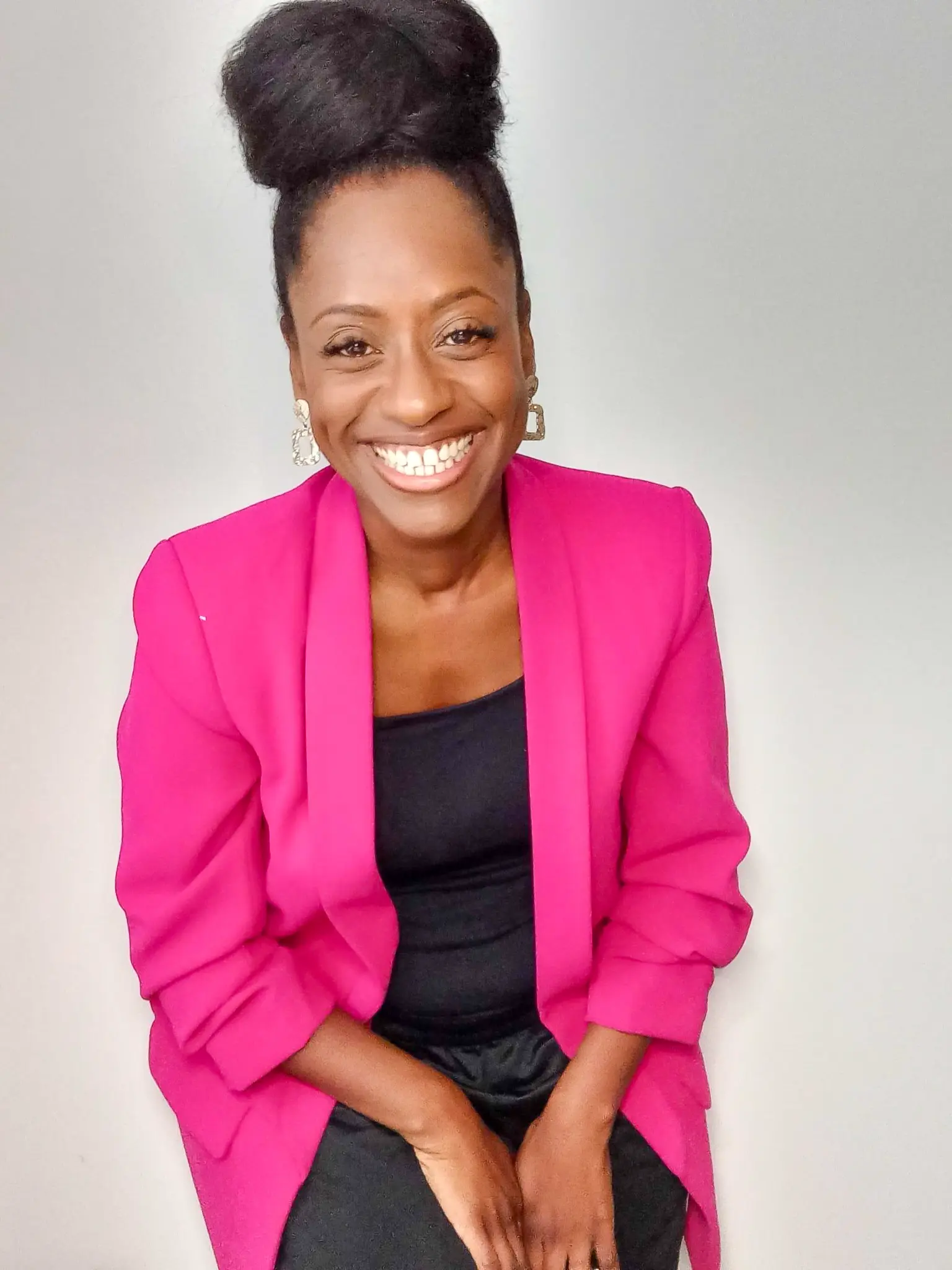
Katrina Thompson co-founded Diverse Leaders Network in 2014 after spending years as a teacher watching talented young people from marginalised and underrepresented backgrounds leave school without the confidence, connections or clarity to pursue the careers they desired. She saw first-hand how careers education struggled to keep pace with a rapidly changing world of work, how diverse role models were absent from the classroom and how the gap between aspiration and opportunity widened year after year because intervention came too late. DLN was her response to a problem she could no longer ignore.
Katrina built DLN on the conviction that leadership is not a trait you are born with, it is a skill that can be taught, and it should be taught to every young person regardless of their background. What began as a small programme developing diverse leaders has gained national reach, reaching over 10,000 young people, partnering with more than 200 professionals and leaders across STEAM sectors.
Today, DLN continues to be driven by that founding belief: that the most powerful investment any organisation or individual can make is in raising the potential of a young person who has been told, in a thousand subtle ways, that the top is not for them.
The Three Barriers We Address
Awareness
Stereotypes about gender, ethnicity, careers and class begin to form in young people as young as 7. They often leave school at 16 or 18 with very similar stereotypical views and are unaware of the wide range of jobs available to them.
Showcasing diverse leaders, non-stereotypical careers and post-16 pathways.
Abilities
By the end of this decade, managerial and professional careers will account for 46% of all new jobs worldwide and 83% of new jobs in the UK. However, 55% of employers say that young people lack the skills required for the 21st century workplace.
An all-age leadership and employability curriculum starting from age 7 to employment.
Access
Children's career aspirations are most influenced by who they know, yet less than 1% of children have heard about jobs through people from the world of work.
Connecting young people aged 16 to 24 to mentoring and work experience opportunities and access to professional networks.
We value your privacy
We use cookies to enhance your browsing experience, serve personalised content and analyse our traffic. By clicking "Accept All", you consent to our use of cookies.